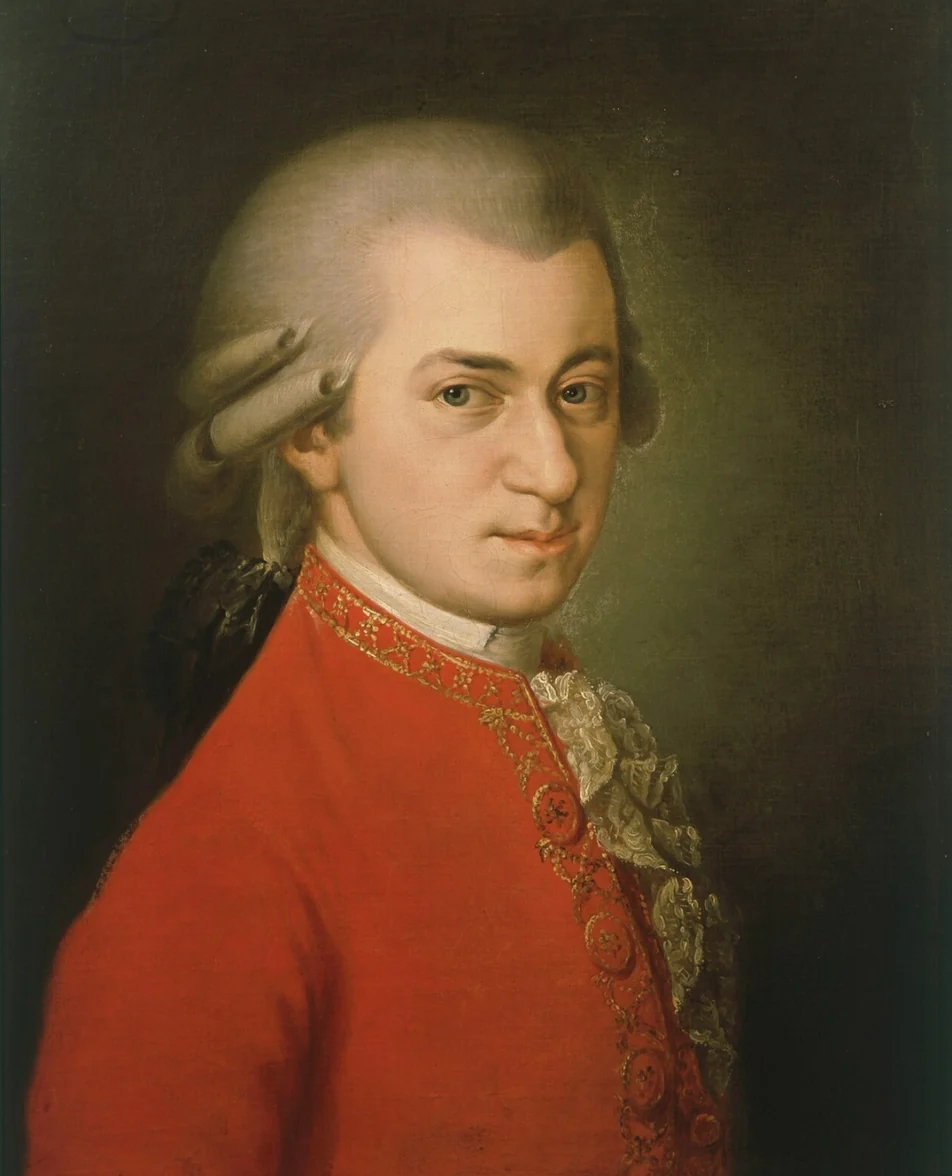
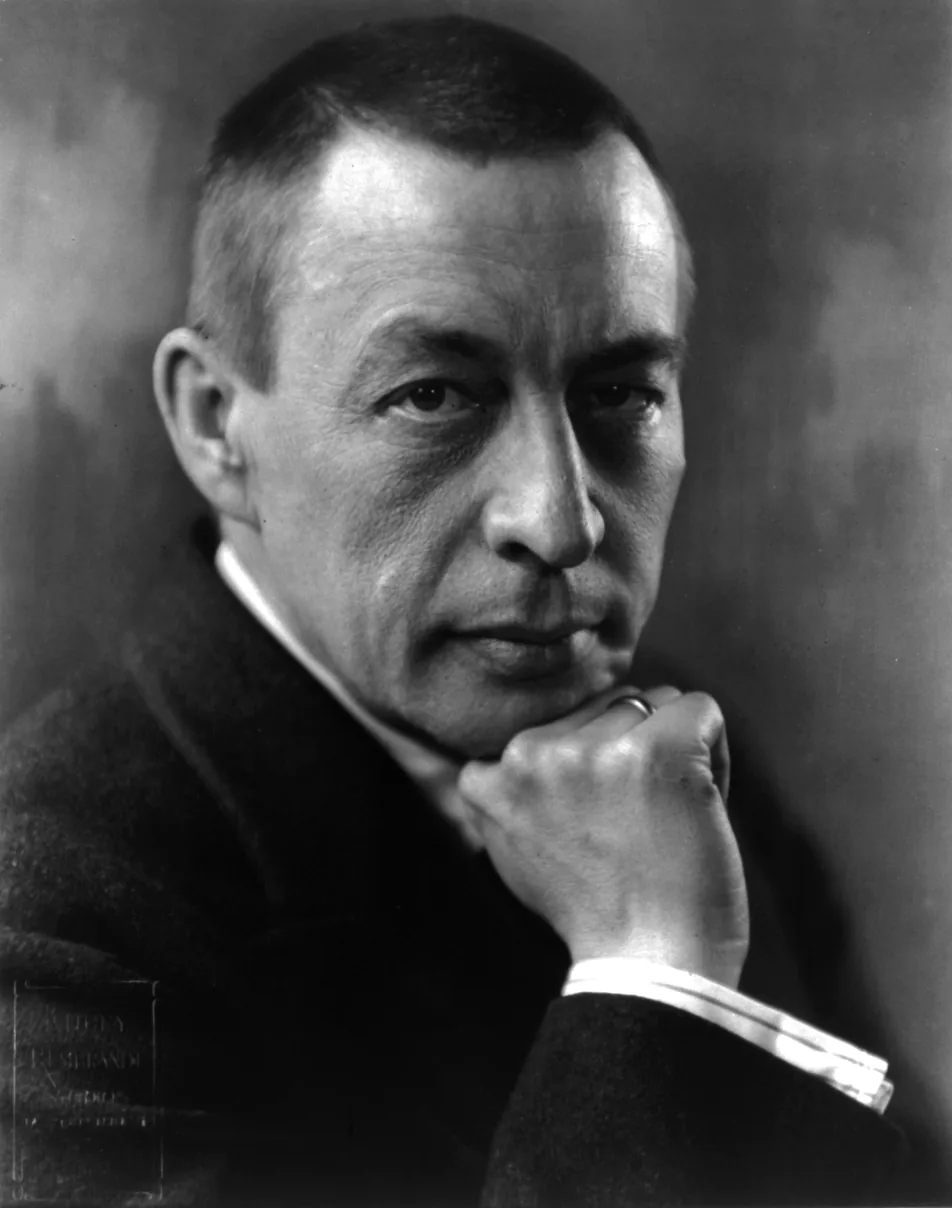
Chopin’s footprints
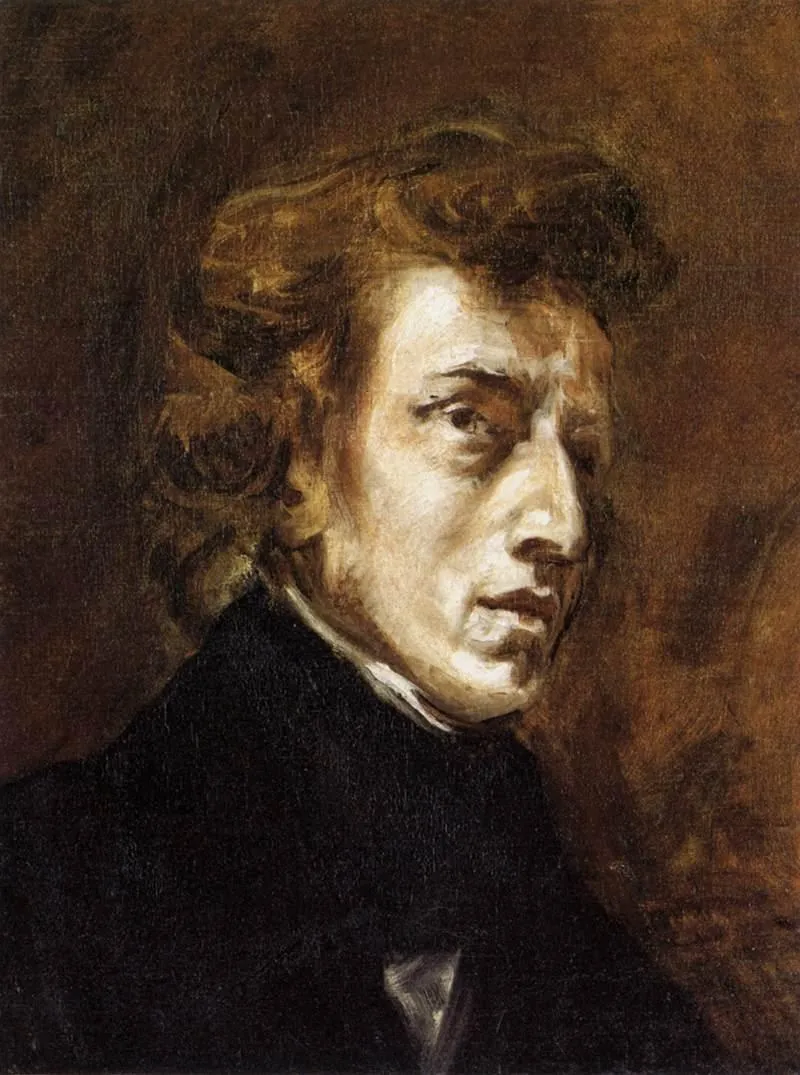
Frédéric François ChopinFryderyk Franciszek Chopin
1810–1849
From the village where he was born to the Warsaw church where his heart rests: the 26 places Chopin lived in and traveled to, and the pieces he wrote there.
Scroll to travel. The map moves to each place as you read.
- Where he lived or stayed
- A short visit
- The journey so far
- The road ahead
1810
Żelazowa WolaPoland
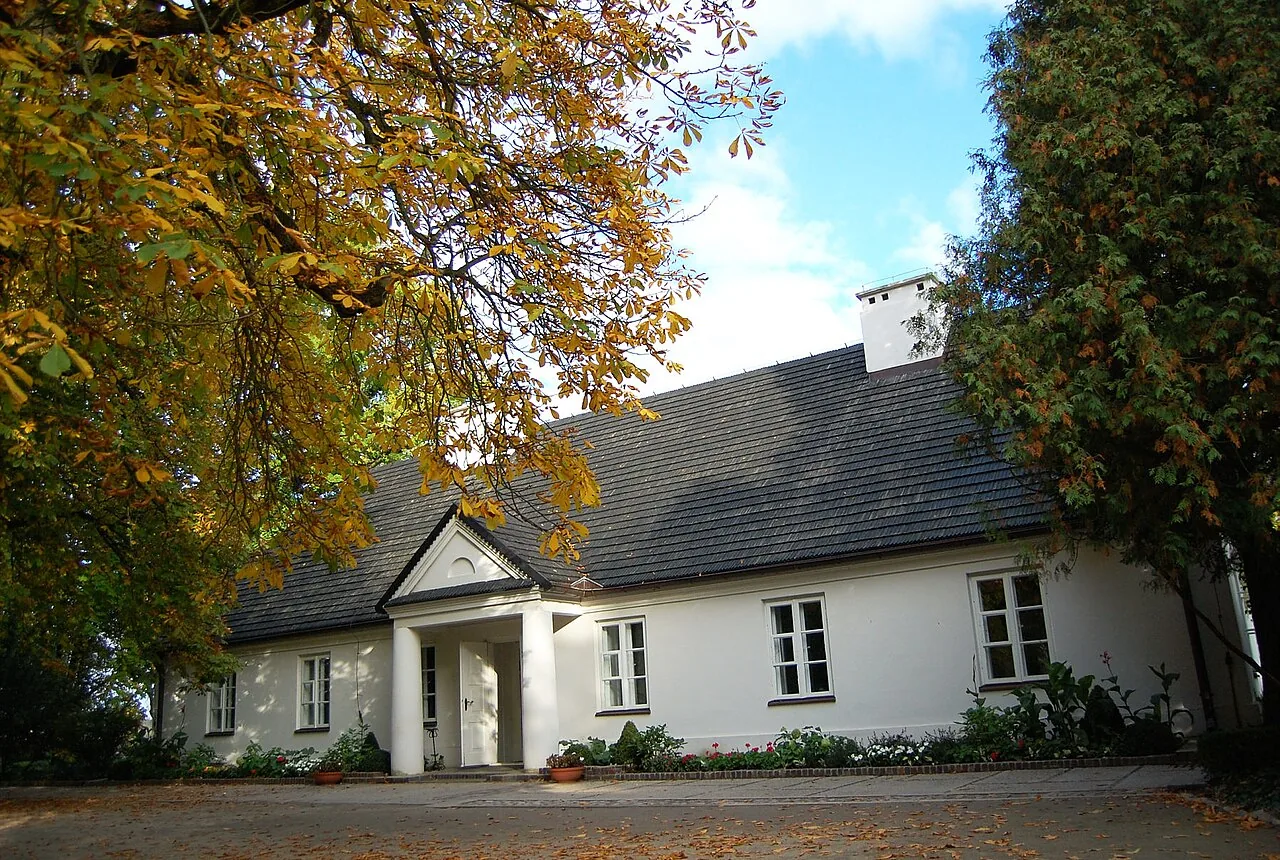
The house where Chopin was born, now a museumPhotograph by Inqv, 2010 Chopin was born on March 1, 1810, in a village about 50 km west of Warsaw, in an annexe of the Skarbek family’s manor. He was baptized on April 23 in the church at nearby Brochów, and that autumn the family moved to Warsaw. The baptismal record gives February 22 as his birthday; he and his family always kept March 1.
1810–1830
WarsawPoland
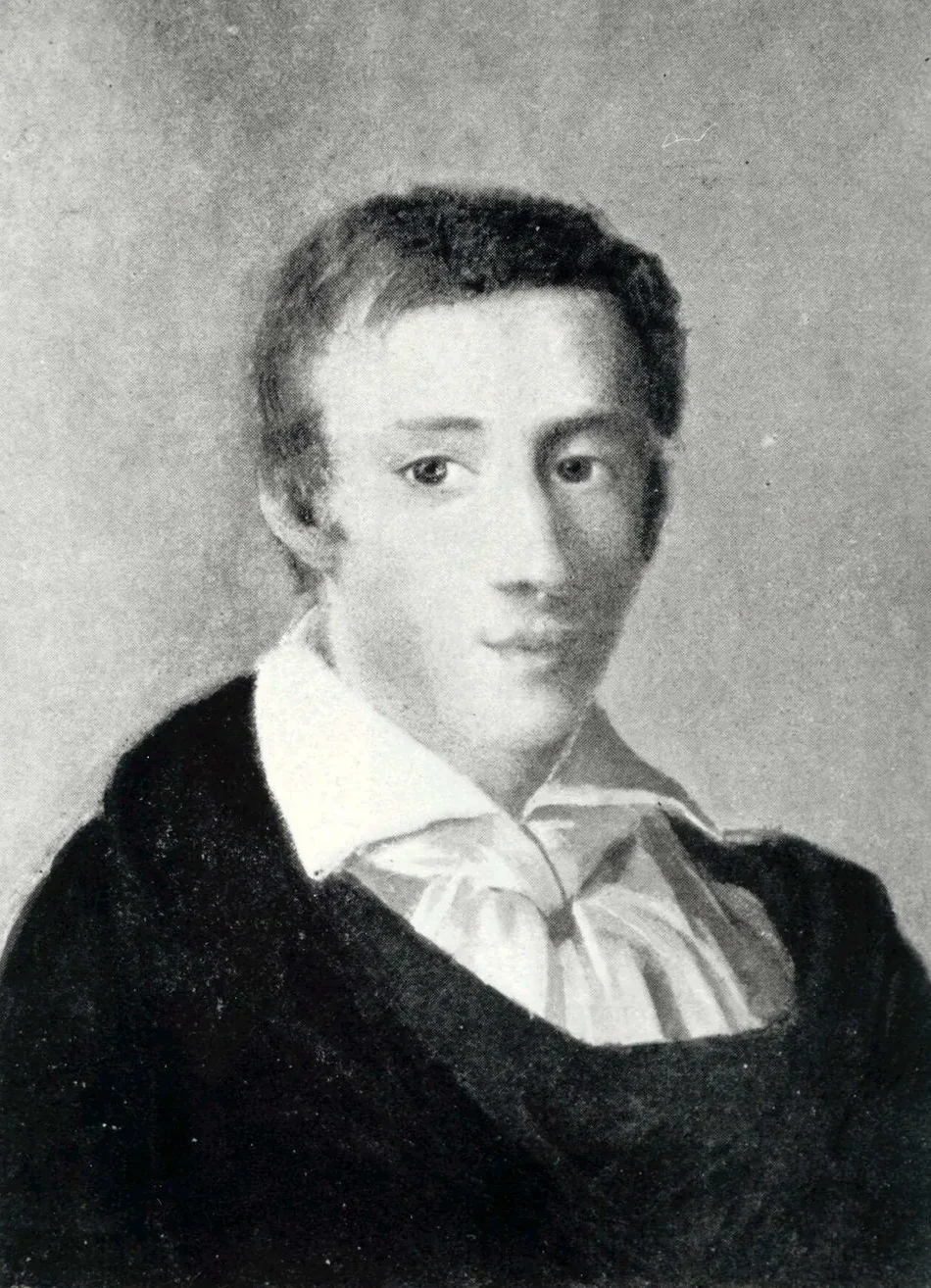
Chopin at 19Painting by Ambroży Mieroszewski, 1829 The city where he lived until he was twenty. He began piano lessons with Wojciech Żywny at six and wrote his first polonaises at seven. On February 24, 1818, he played a concerto in public for the first time, at the Radziwiłł Palace (today the Presidential Palace). From 1826 he studied composition with Józef Elsner at the Higher School of Music, graduating in 1829. In 1830 he played his own concertos at the National Theatre, and after a farewell concert on October 11 he left Warsaw in early November. He never came back.
Pieces from this place
Listen on Apple Music
- Polonaise in G minor1817, aged seven
- Rondo in C minor, Op. 11825
- Variations on “Là ci darem la mano,” Op. 21827
- Piano Concerto No. 2 in F minor, Op. 211829–30
- Piano Concerto No. 1 in E minor, Op. 111830
- Études, Op. 10begun in 1829
1824 · 1825
SzafarniaPoland
He spent the summer vacations of 1824 and 1825, aged fourteen and fifteen, on the estate of his school friend’s family, the Dziewanowskis. At village festivals and weddings he heard peasants sing and dance, and he wrote home in the form of a mock newspaper, the “Szafarnia Courier.” The experience fed the mazurkas he wrote for the rest of his life.
Practicing one of these? Track it in Piano StreakPieces from this place
Listen on Apple Music
1826
Duszniki-ZdrójPoland
At sixteen he took a cure in this spa town with his mother and sisters (it was then Bad Reinerz, in Prussia). He is said to have given charity concerts for orphans here, his first performances outside his own country. A Chopin festival is still held in the town every year.
1828
BerlinGermany
At eighteen he saw a great foreign city for the first time, traveling with Professor Feliks Jarocki, a zoologist and neighbor of the Chopins, who was attending a congress of naturalists chaired by Alexander von Humboldt. He heard Weber’s “Der Freischütz,” other operas and oratorios.
1829 · 1830–31
ViennaAustria
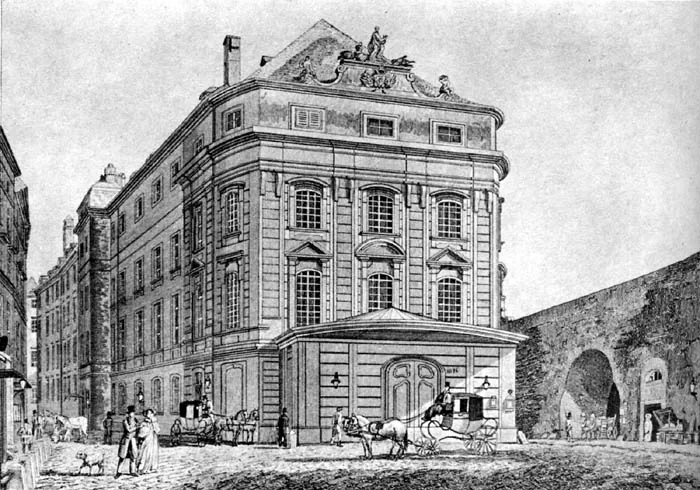
The Kärntnertortheater, where he played in 1829Print, 1830, artist unknown On August 11 and 18, 1829, he played at the Kärntnertortheater and won over the Viennese public. He came back in November 1830 and lived at Kohlmarkt 9. Days after he arrived, on November 29, the uprising broke out in Warsaw. Persuaded not to go home, he spent eight lonely months in Vienna and left for Paris on July 20, 1831.
Pieces from this place
Listen on Apple Music
- Variations on “Là ci darem la mano,” Op. 2played at the 1829 concerts
- Rondo à la Krakowiak, Op. 14played at the 1829 concerts
- Scherzo No. 1 in B minor, Op. 20thought to have been conceived in these months
1829
Prague and TepliceCzechia
After his success in Vienna he left on August 19 and spent a few days in Prague, where he wrote a song into the album of the scholar Václav Hanka. He went on to the spa town of Teplice (then Teplitz) and improvised at the Clary-Aldringen family’s residence, then traveled home by way of Dresden.
1831
MunichGermany
On the way from Vienna to Paris he stayed for several weeks. On August 28 he played his E minor Concerto and the Fantasy on Polish Airs at a matinée of the Philharmonic Society.
1831
StuttgartGermany
On his way to Paris, on September 8, he learned that Warsaw had fallen. His despair is preserved in the pages known as the Stuttgart diary.
Pieces from this place
Listen on Apple Music
- Étude in C minor, Op. 10 No. 12 (“Revolutionary”)tradition says it was written here
- Prelude in D minor, Op. 28 No. 24the same tradition
1831–
Paris: arrival and debutFrance
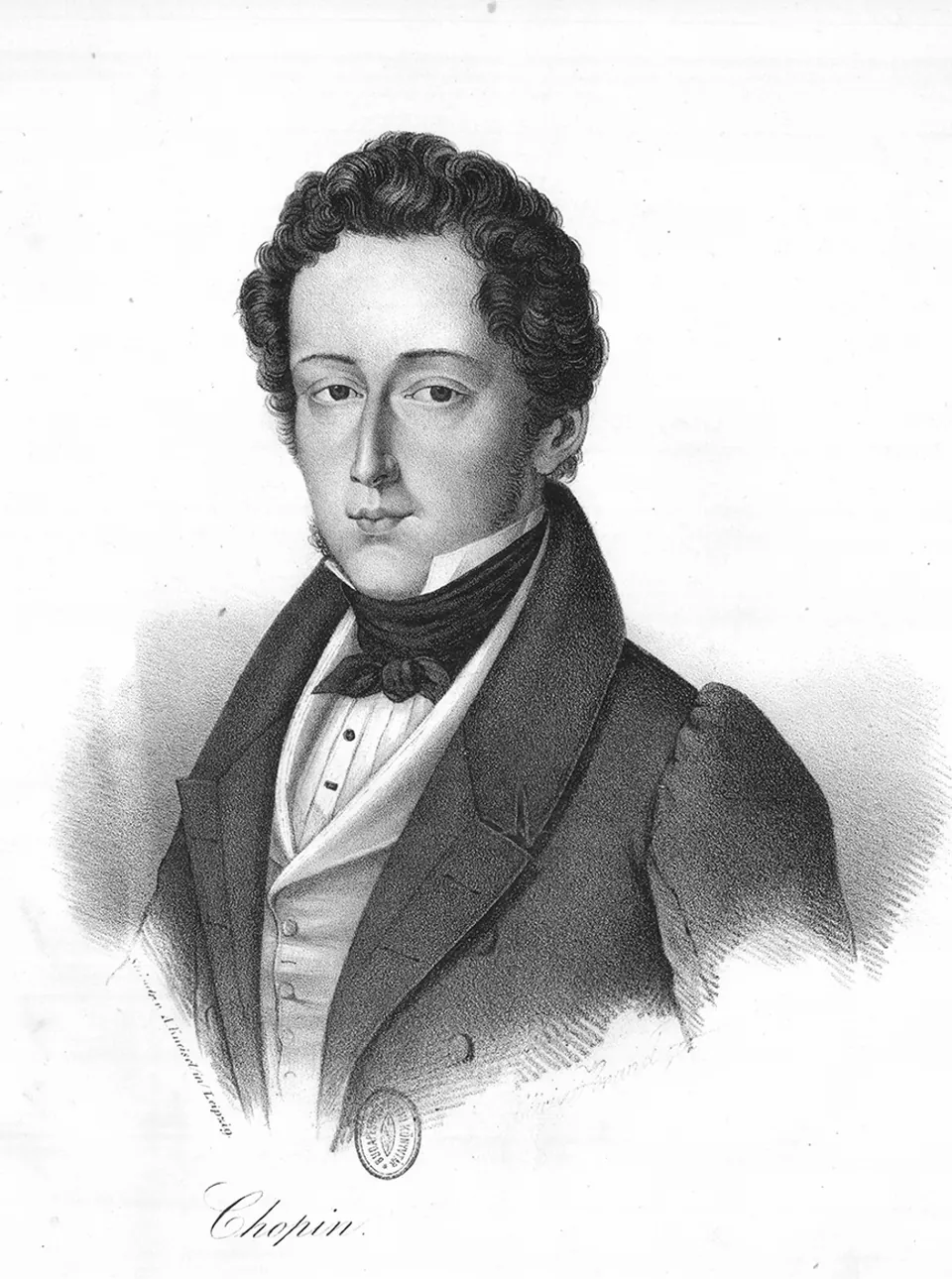
Chopin at about 20Lithograph by August Kneisel after Cäcilie Brand, 1830 He reached Paris in the autumn of 1831 and took rooms at 27 boulevard Poissonnière. On February 26, 1832, he made his Paris debut in Pleyel’s salon, with Liszt and Mendelssohn in the audience. After that he gave very few large concerts and lived by playing in salons, teaching and publishing his music.
Pieces from this place
Listen on Apple Music
- Nocturnes, Op. 9 (No. 2 in E-flat major)published 1832
- Études, Op. 10 (No. 3 “Tristesse,” No. 5 “Black Key”)published 1833, dedicated to Liszt
- Fantaisie-Impromptu in C-sharp minor, Op. 66written about 1834, published after his death
- Ballade No. 1 in G minor, Op. 23finished 1835
- Scherzo No. 2 in B-flat minor, Op. 311837
1835
KarlsbadCzechia (Karlovy Vary)
On August 15, 1835, he met his parents in this spa town after almost five years apart. They spent about a month together and parted in September. He never saw them again.
Practicing one of these? Track it in Piano StreakPieces from this place
Listen on Apple Music
1835 · 1836
DresdenGermany
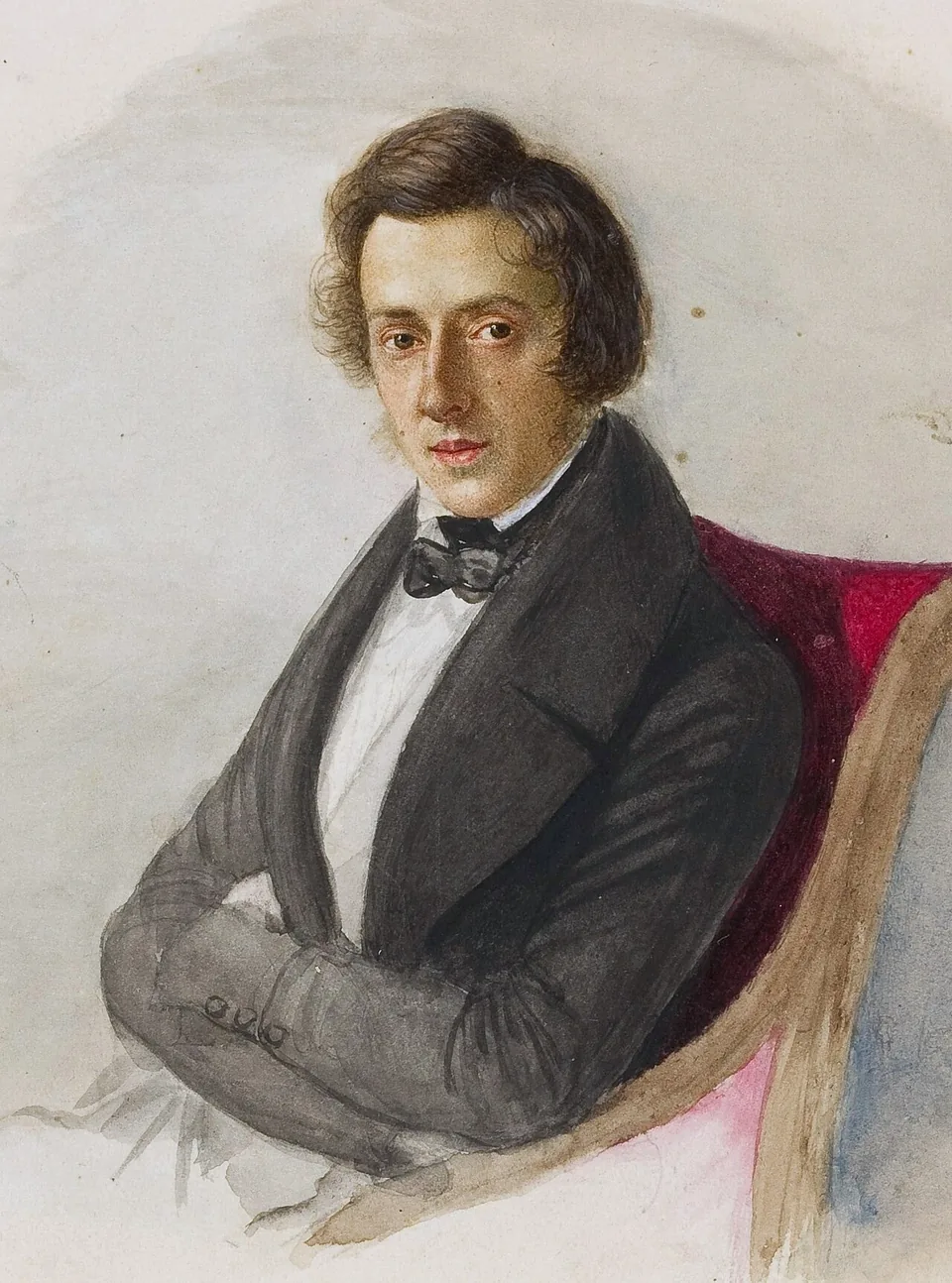
Chopin at 26Watercolor by Maria Wodzińska, 1836 On the way back from Karlsbad he visited the Wodziński family, friends from his Warsaw years, and met their sixteen-year-old daughter Maria again. On September 9, 1836, he asked for her hand; her family agreed in private, on condition of his health. Nothing came of it, and by 1837 it was over. Chopin tied her letters into a bundle and wrote on it “My sorrow.”
Pieces from this place
Listen on Apple Music
- Waltz in A-flat major, Op. 69 No. 1 (“L’Adieu”)he gave Maria the manuscript on September 24, 1835
- Études, Op. 25 No. 1 (“Aeolian Harp”) and No. 2written into Maria’s album, September 1836
1835 · 1836
LeipzigGermany
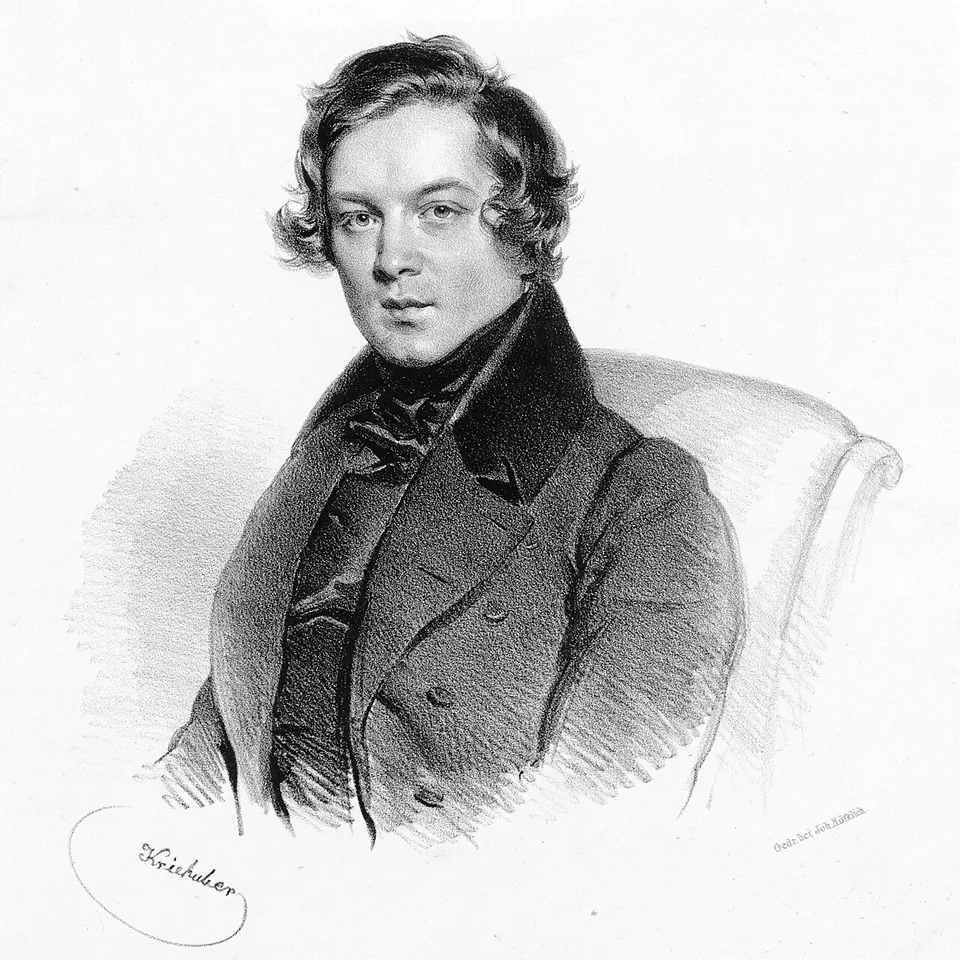
Robert SchumannLithograph by Josef Kriehuber, 1839 On September 28, 1835, he met Mendelssohn, Schumann and the sixteen-year-old Clara Wieck. Clara played for him, and he played nocturnes and études in return. He stopped here again in September 1836 and played Schumann his new pieces.
Practicing one of these? Track it in Piano StreakPieces from this place
Listen on Apple Music
1836
MarienbadCzechia (Mariánské Lázně)
On July 28, 1836, he joined the Wodziński family in this spa town and spent the summer near Maria. He then traveled with them to Dresden, where he proposed in September.
1837
LondonUnited Kingdom
He visited London for about two weeks with the piano maker Camille Pleyel. They left Paris on July 10, and he kept out of sight under the name “Mr. Fritz.” Around July 20 he played at the home of the piano maker James Broadwood. By the time he was back in Paris, the engagement to Maria was at an end.
1838–39
Majorca: Palma and ValldemossaSpain
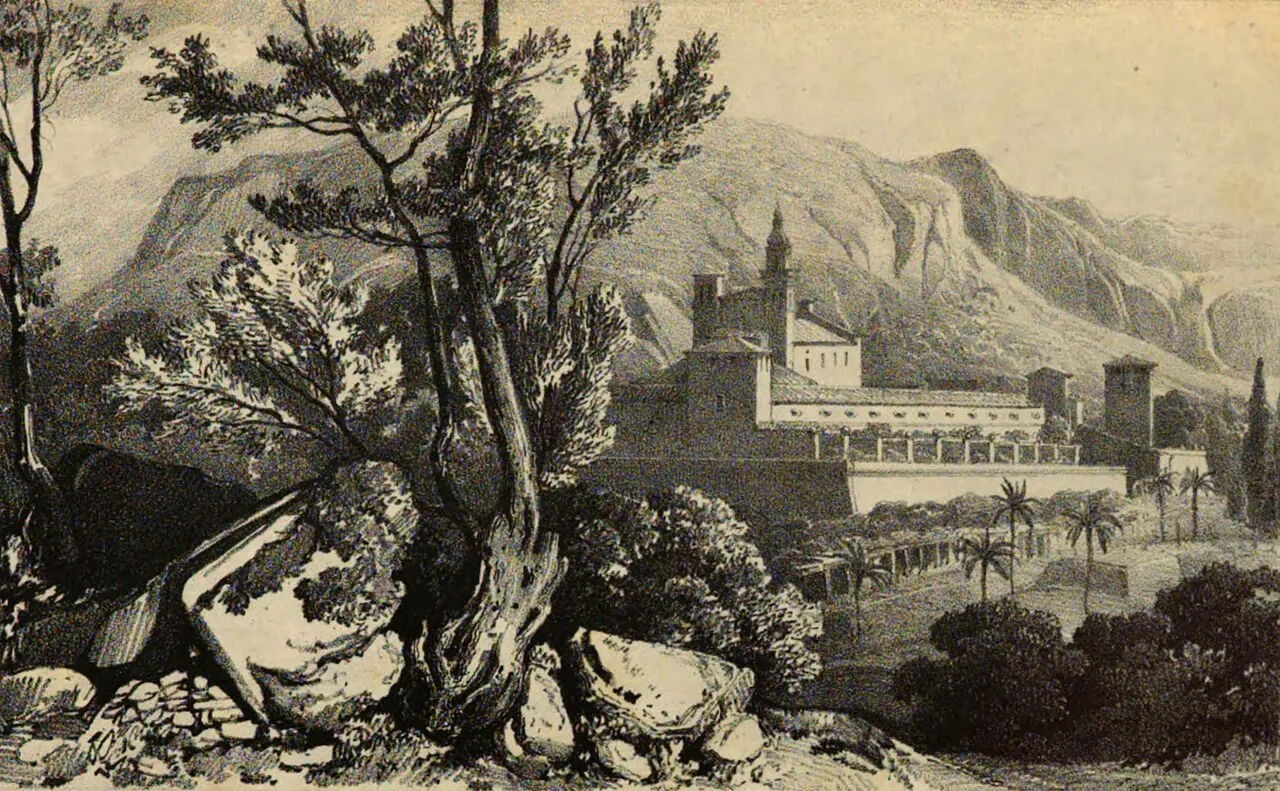
The charterhouse at ValldemossaLithograph by J.-B. Laurens, 1840 On November 8, 1838, he arrived in Palma with George Sand and her children. They had hoped for a warm winter, but the rain did not stop and his illness grew worse, and in mid-December they moved up to the monastery at Valldemossa, in the hills. The Pleyel piano sent from Paris did not arrive until January. On January 22 he wrote that the Preludes were finished, and on February 13 they left the island.
Pieces from this place
Listen on Apple Music
- 24 Preludes, Op. 28 (No. 15 “Raindrop,” Nos. 4, 7 and 20)completed here; most were written before the journey, and the “Raindrop” story rests on Sand’s memoirs
- Mazurka in E minor, Op. 41 No. 2sketched in Palma, November 28
- Polonaise in C minor, Op. 40 No. 2
- Ballade No. 2 in F major, Op. 38finished here
- Scherzo No. 3 in C-sharp minor, Op. 39worked on here
1839
MarseilleFrance
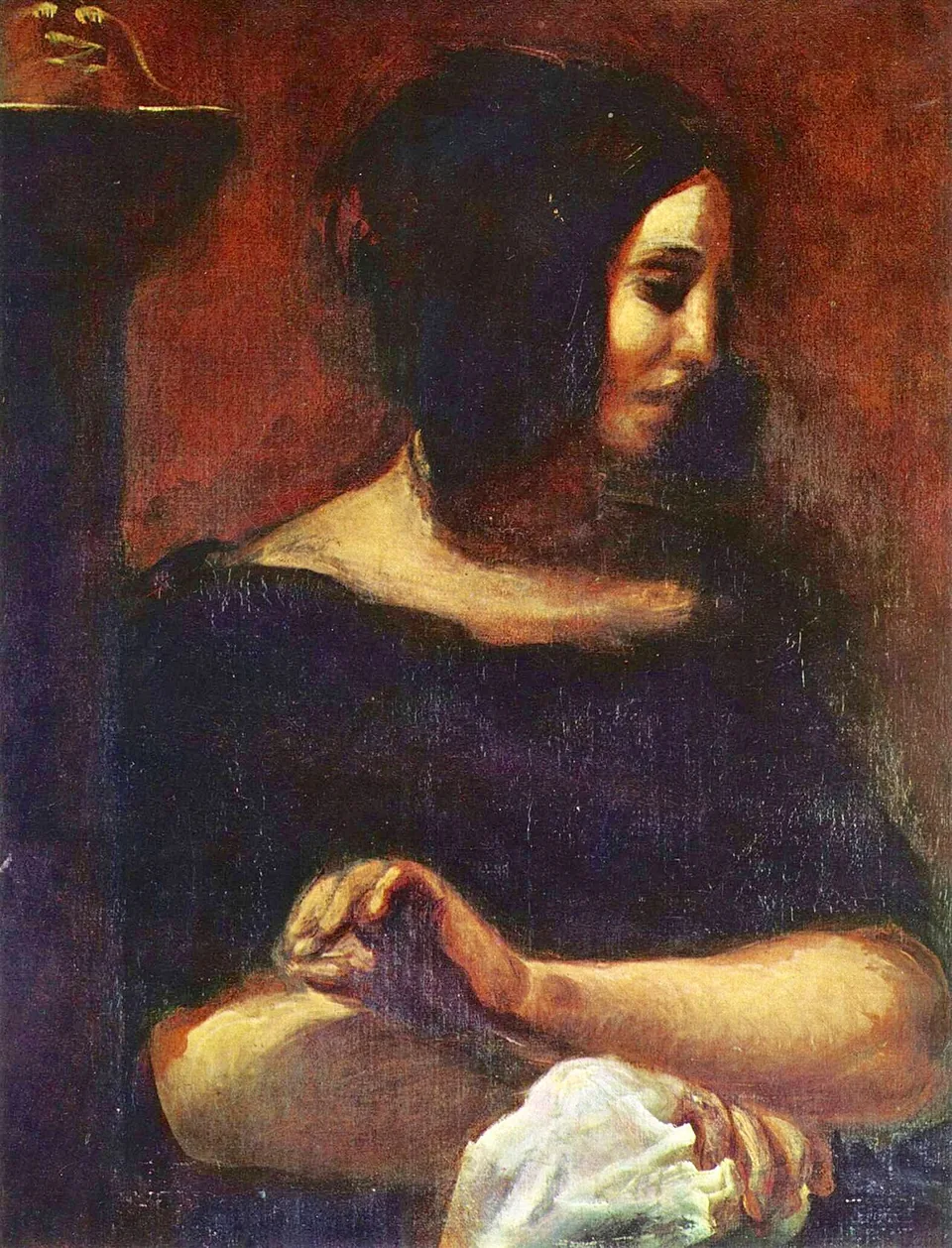
George SandPainting by Eugène Delacroix, 1838 By way of Barcelona he reached Marseille on February 24, 1839, and spent three months in the mild port city recovering from the Majorcan winter, with Sand nursing him. He went out for little more than walks, and wrote to his friend Julian Fontana in Paris, leaving the negotiations with his publishers to him. On April 24 he played the organ at a memorial service for the singer Adolphe Nourrit. On May 22 they set out for Nohant, Sand’s house in the country.
1839
GenoaItaly
In early May, his strength returning, he sailed with Sand from Marseille to Genoa and stayed about two weeks. It was the only time in his life that he visited Italy.
1839 · 1841–46
NohantFrance
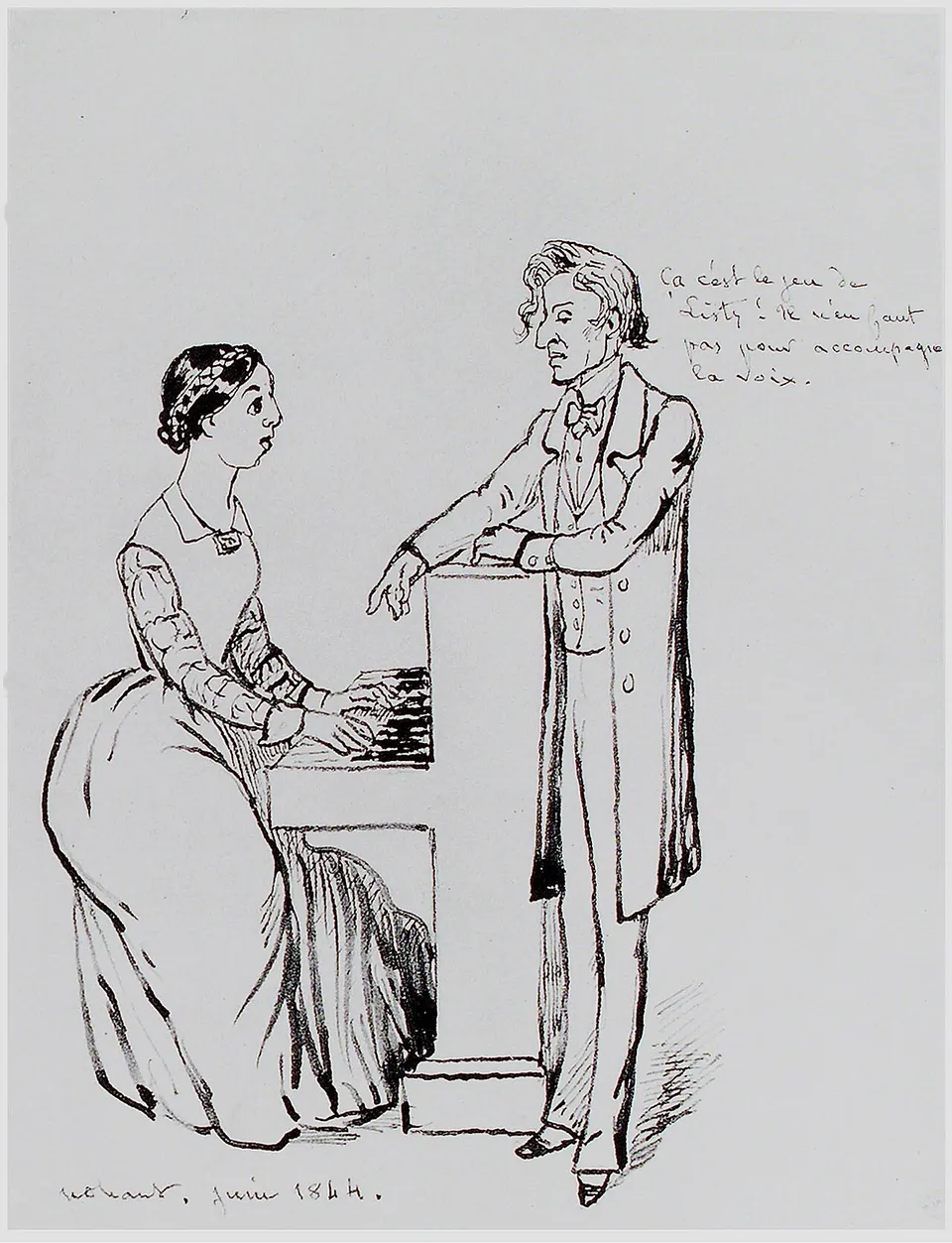
Pauline Viardot at the piano, with ChopinDrawing by Maurice Sand, Nohant, June 1844 He spent seven summers at George Sand’s house in the middle of France. In its quiet, and with a steady daily routine, he wrote most of the great works of his maturity. The painter Delacroix and the singer Pauline Viardot came to stay. The summer of 1846 was his last here.
Pieces from this place
Listen on Apple Music
- Piano Sonata No. 2 in B-flat minor, Op. 35 (“Funeral March”)1839
- Ballade No. 3 in A-flat major, Op. 471841
- Fantaisie in F minor, Op. 491841
- Ballade No. 4 in F minor, Op. 521842
- Polonaise in A-flat major, Op. 53 (“Heroic”)1842
- Scherzo No. 4 in E major, Op. 541842
- Berceuse in D-flat major, Op. 571843–44
- Piano Sonata No. 3 in B minor, Op. 581844
- Barcarolle in F-sharp major, Op. 601845–46
- Polonaise-Fantaisie in A-flat major, Op. 611846
- Nocturnes, Op. 621846
1842–49
Paris: 9 Square d’OrléansFrance
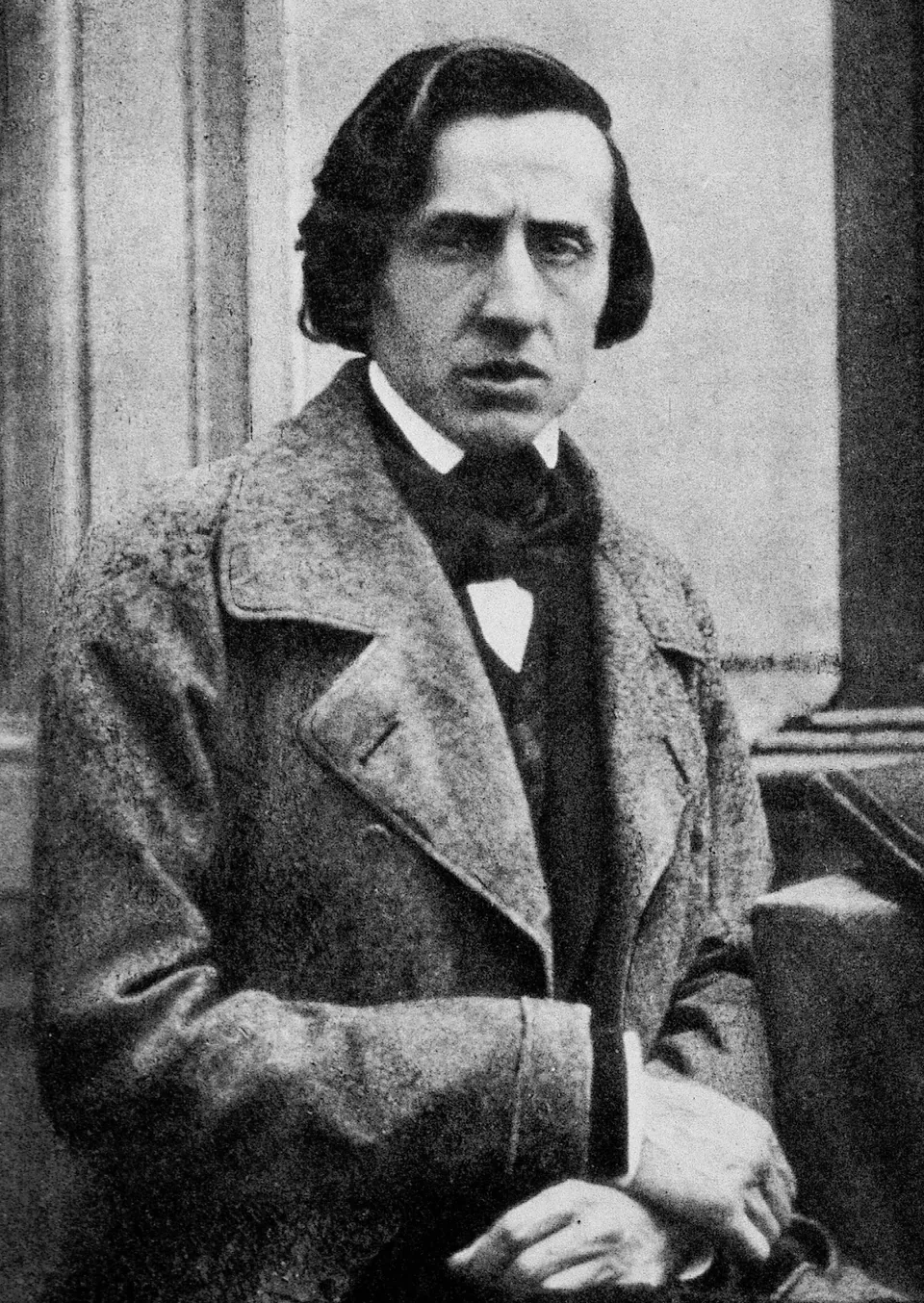
Chopin in his last yearsDaguerreotype by Louis-Auguste Bisson, late 1840s From September 1842 he lived in a courtyard of houses favored by artists; Sand lived across it, at number 5. Their relationship ended in the summer of 1847. On February 16, 1848, he gave his last Paris concert, at the Salle Pleyel. Six days later the February Revolution broke out, and he lost most of his pupils and his income.
Pieces from this place
Listen on Apple Music
- Waltz in D-flat major, Op. 64 No. 1 (“Minute Waltz”)1846–47, published 1847
- Waltz in C-sharp minor, Op. 64 No. 21846–47
- Cello Sonata in G minor, Op. 651846–47
1848
LondonUnited Kingdom
Leaving the revolution behind, he set out from Paris for London on April 20, 1848, and took rooms at 48 Dover Street. On May 15 he played before Queen Victoria at Stafford House (now Lancaster House). He came back from Scotland in the autumn and, on November 16, played at the Guildhall in a benefit concert for Polish refugees. It was the last public performance of his life. He left London on November 23.
1848
Scotland: Edinburgh and Calder HouseUnited Kingdom
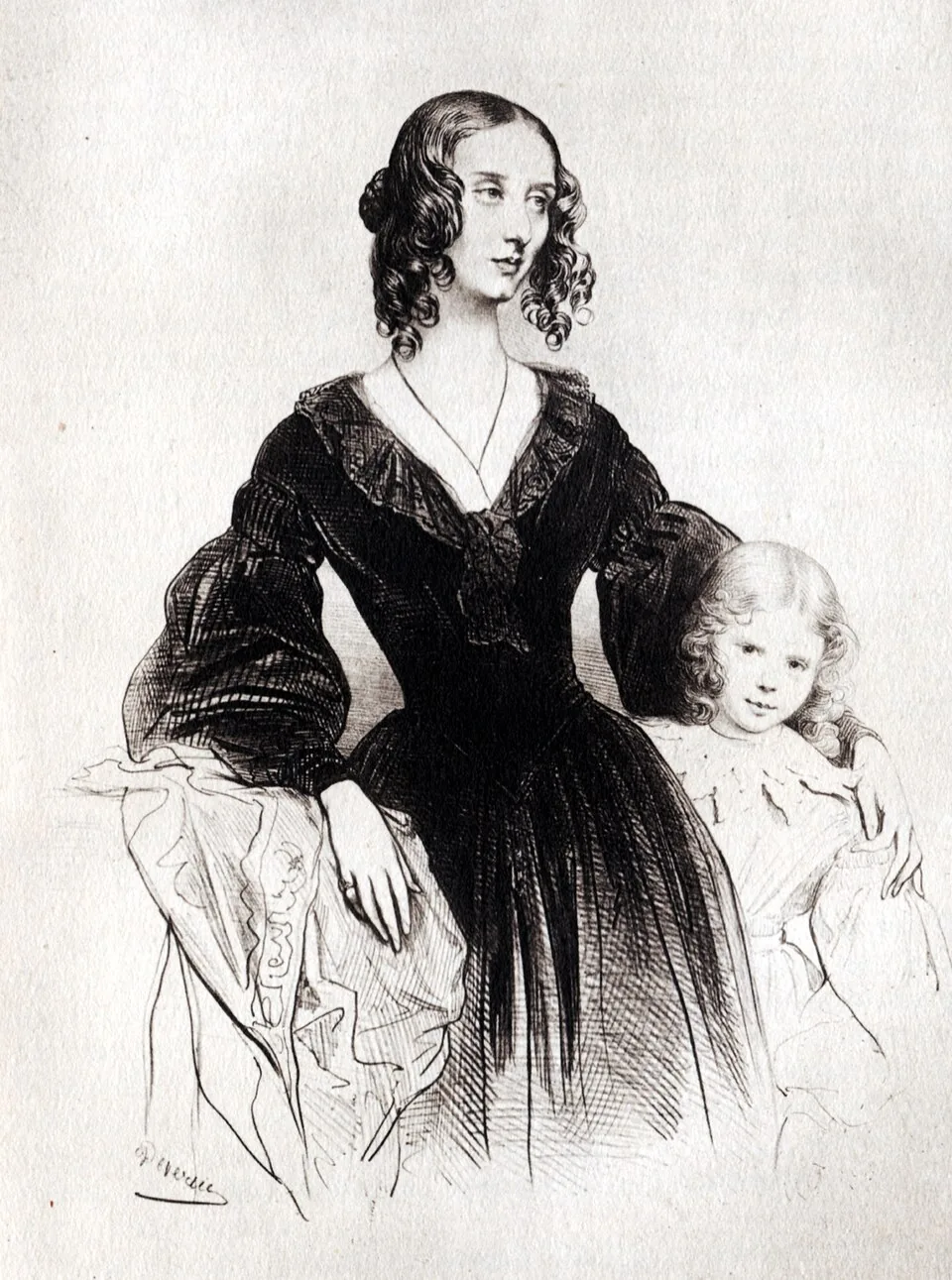
Jane Stirling, his pupilLithograph by Achille Devéria, about 1840 Invited by his pupil Jane Stirling, he arrived in Edinburgh on August 5 and stayed in a series of country houses, based at Calder House, the home of her relatives. On October 4 he played at the Hopetoun Rooms in Edinburgh. The cold and the traveling left him weaker still.
1848
ManchesterUnited Kingdom
On August 28 he played at the Gentlemen’s Concert Hall before about 1,200 listeners. For a pianist who preferred the salon, it is counted among the largest halls of his life.
1848
GlasgowUnited Kingdom
He stayed at Johnstone Castle, just outside the city, and on September 27 gave a matinée concert at the Merchants’ Hall.
1849
Paris: 12 Place VendômeFrance
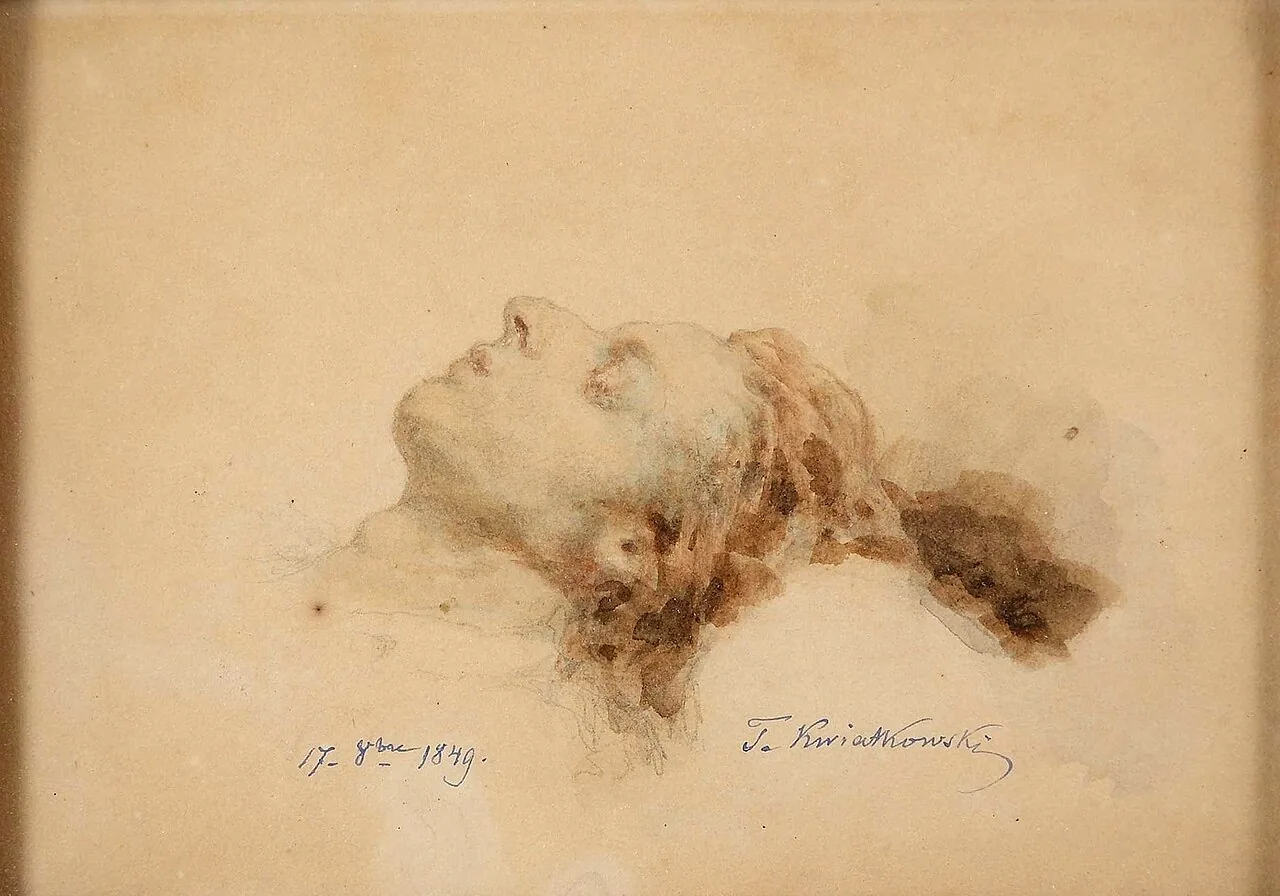
Chopin on his deathbed, October 17, 1849Sketch by Teofil Kwiatkowski In August 1849 his sister Ludwika hurried to him from Warsaw. In September he moved to 12 Place Vendôme, and there, at about two in the morning on October 17, he died, aged 39. The funeral was held at the Madeleine on October 30, and Mozart’s Requiem was sung, as he had wished. His grave is in Père Lachaise cemetery.
Practicing one of these? Track it in Piano StreakPieces from this place
Listen on Apple Music
1850
Warsaw: Holy Cross ChurchPoland
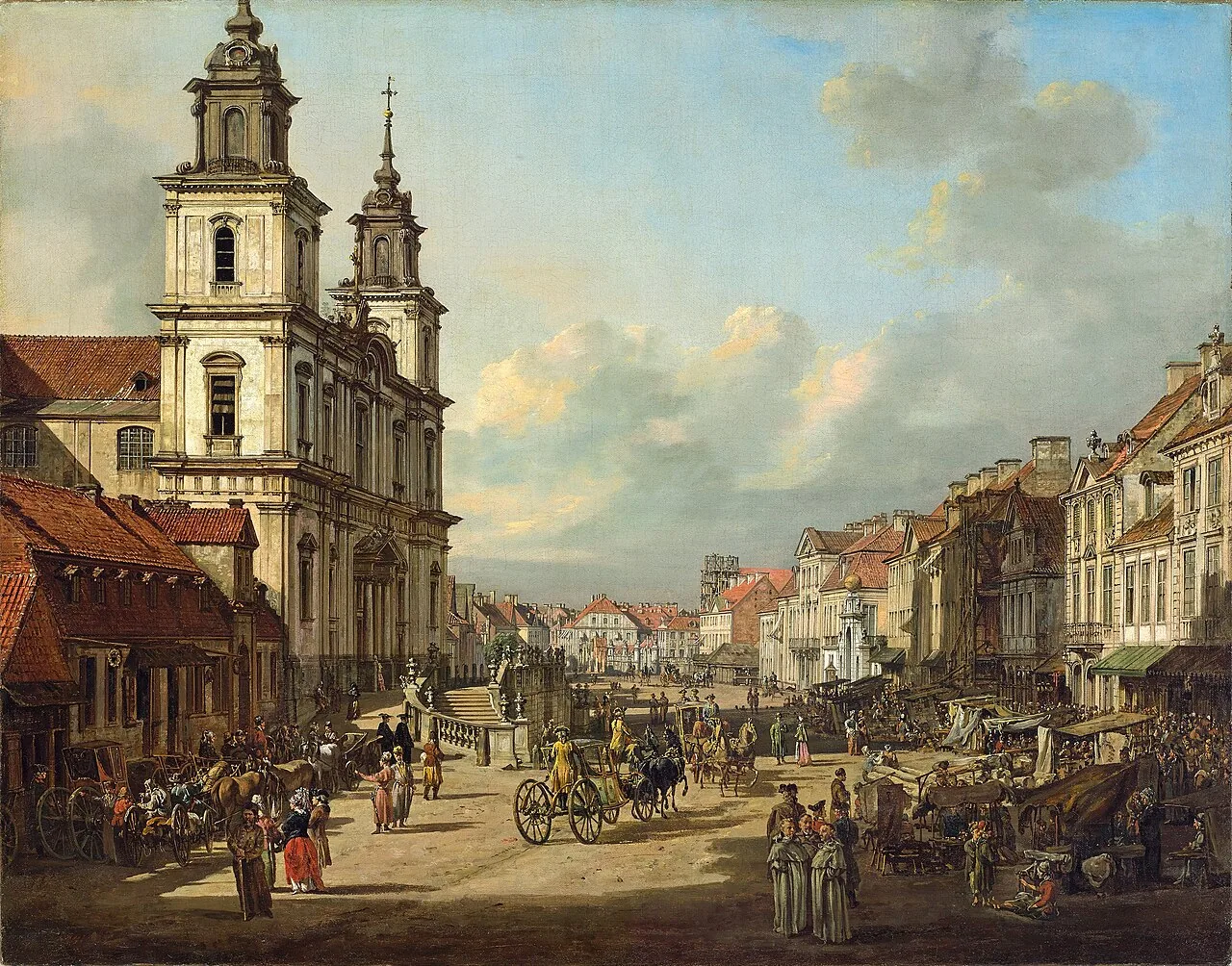
The Holy Cross Church, WarsawPainting by Bernardo Bellotto, 1778 He had asked that his heart be returned to his homeland, and his sister Ludwika carried it back to Warsaw. It now rests inside a pillar of the Holy Cross Church. His body is in Paris; his heart is in Warsaw.
About this map
Stories that rest on tradition, such as the “Revolutionary” Étude in Stuttgart or the “Raindrop” Prelude in Majorca, are described as traditions. The map shows today’s borders and country names; in Chopin’s lifetime Poland was divided between Russia, Prussia and Austria. The route is simplified to the places on this page.
Sources
- Chronicle of Chopin’s life and works, Fryderyk Chopin Society
- Places and persons catalogs, Fryderyk Chopin Institute
- Chopin’s visit to Britain, 1848, The Chopin Society UK
- Peter Willis, “Chopin in Britain,” Durham University
- Schumann portal: Frédéric Chopin
Pictures
All pictures are in the public domain, from Wikimedia Commons.
- Frédéric Chopin at 28: Painting by Eugène Delacroix, 1838
- The house where Chopin was born, now a museum: Photograph by Inqv, 2010
- Chopin at 19: Painting by Ambroży Mieroszewski, 1829
- The Kärntnertortheater, where he played in 1829: Print, 1830, artist unknown
- Chopin at about 20: Lithograph by August Kneisel after Cäcilie Brand, 1830
- Chopin at 26: Watercolor by Maria Wodzińska, 1836
- Robert Schumann: Lithograph by Josef Kriehuber, 1839
- The charterhouse at Valldemossa: Lithograph by J.-B. Laurens, 1840
- George Sand: Painting by Eugène Delacroix, 1838
- Pauline Viardot at the piano, with Chopin: Drawing by Maurice Sand, Nohant, June 1844
- Chopin in his last years: Daguerreotype by Louis-Auguste Bisson, late 1840s
- Jane Stirling, his pupil: Lithograph by Achille Devéria, about 1840
- Chopin on his deathbed, October 17, 1849: Sketch by Teofil Kwiatkowski
- The Holy Cross Church, Warsaw: Painting by Bernardo Bellotto, 1778
Recordings
Each play button opens one recording of the piece on Apple Music, chosen by us; longer works open on their first movement.
The performers: Vladimir Ashkenazy, Wojciech Świtała, Jan Lisiecki, Krystian Zimerman, Maurizio Pollini, Arthur Rubinstein, Martha Argerich, Mstislav Rostropovich and Martha Argerich
Piano Streak is not affiliated with Apple or with the performers. Apple Music is a trademark of Apple Inc.
Map data © OpenStreetMap contributors, tiles by OpenFreeMap, drawn with MapLibre.
Practicing Chopin?
Piano Streak keeps the time you spend on each piece, so you can see your practice add up day by day.